Many associate the Somerset Levels with the Monmouth Rebellion and the Battle of Sedgemoor, but today the region faces a very different challenge. Climate change and shifting water levels present a relentless task for environmental management. As consultants working for Natural England and others within this internationally important wetland, this is a challenge our team at Geckoella are all too familiar with.
On Monday, the Geckoella team gathered for a staff away day in the stunning surroundings of Shapwick Heath National Nature Reserve. We were delighted to be joined by Senior Reserve Manager Phil Thorpe, who brought us up to speed on current operations and introduced Natural England’s latest long-term plans for managing key areas of the site.
A Landscape Transformed
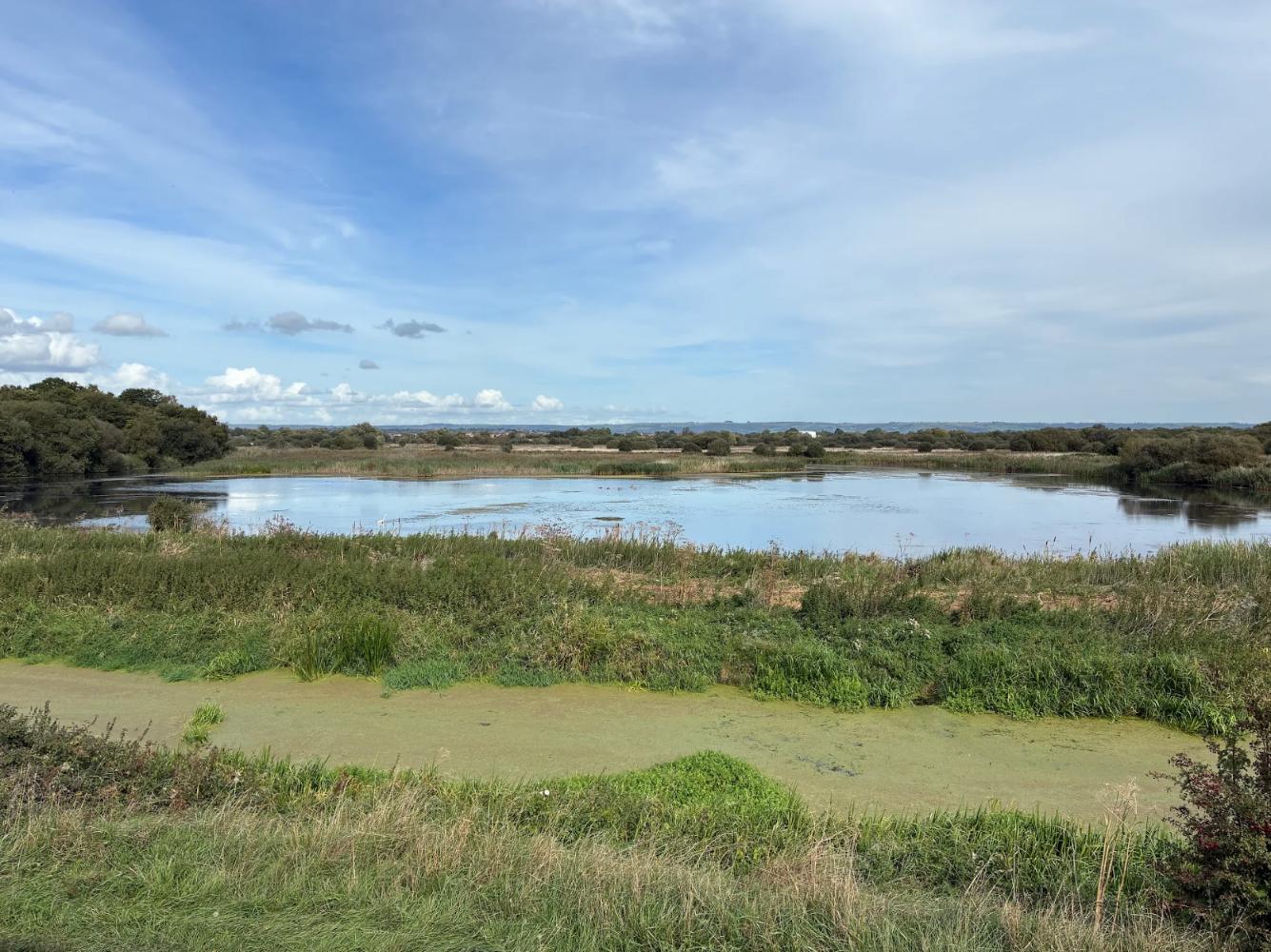
Shapwick Heath as we know it today is the result of ambitious landscape renewal practices following decades of intensive peat extraction by Fisons during the 1970s. The legacy of peat cutting is still a striking feature of the wider landscape, with active peat extraction visible at neighbouring farms where large mounds of stark black peat line the horizon.
The former extraction pits at Shapwick are now transformed into extensive freshwater lagoons. These open water habitats now form a critical part of the Avalon Marshes landscape, supporting a vast array of wildfowl and waders. The area is renowned for its birdlife and attracts visitors from around the world, notably for the iconic winter starling murmurations.
Carbon Capture and Super NNR Ambitions
From both a national government and global perspective, a primary driver for enhancing reserves like Shapwick Heath is managing carbon. Over thousands of years, extensive sedgebeds and wet woodland accumulated and compressed organic matter into peat, locking away vast amounts of carbon. Today, good management of Shapwick and other parts of the Avalon Marshes through the right levels of water slows down the decay and release of carbon into the atmosphere. Under the right conditions, carbon may also accumulate as new fens are formed.
Shapwick Heath also serves as a vital strategic node in the regional conservation network as part of the Somerset Wetlands NNR, connecting nature reserves across the South West which link directly into the Severn Estuary, supporting bird and other wildlife migration through the landscape. The vision to create a connected ‘super’ National Nature Reserve network across the country, ensuring wildlife can move freely across resilient landscapes in response to environmental pressures.
Deep Trench Cell Bunding and Hands-On Advice
During the day, Phil Thorpe guided our team into a more remote sector of the reserve. Here, innovative restoration techniques are being implemented, including deep trench cell bunding designed to reinstate active peat formation.
While Phil outlined the complex management demands of running such a dynamic site, our team was able to gain valuable context on the practicalities of site re-engineering. Several members of the Geckoella team were already familiar with the location, having previously conducted habitat surveys, protected species monitoring, and providing advice on rare species management across the reserve.
Wildlife Highlights in the Field
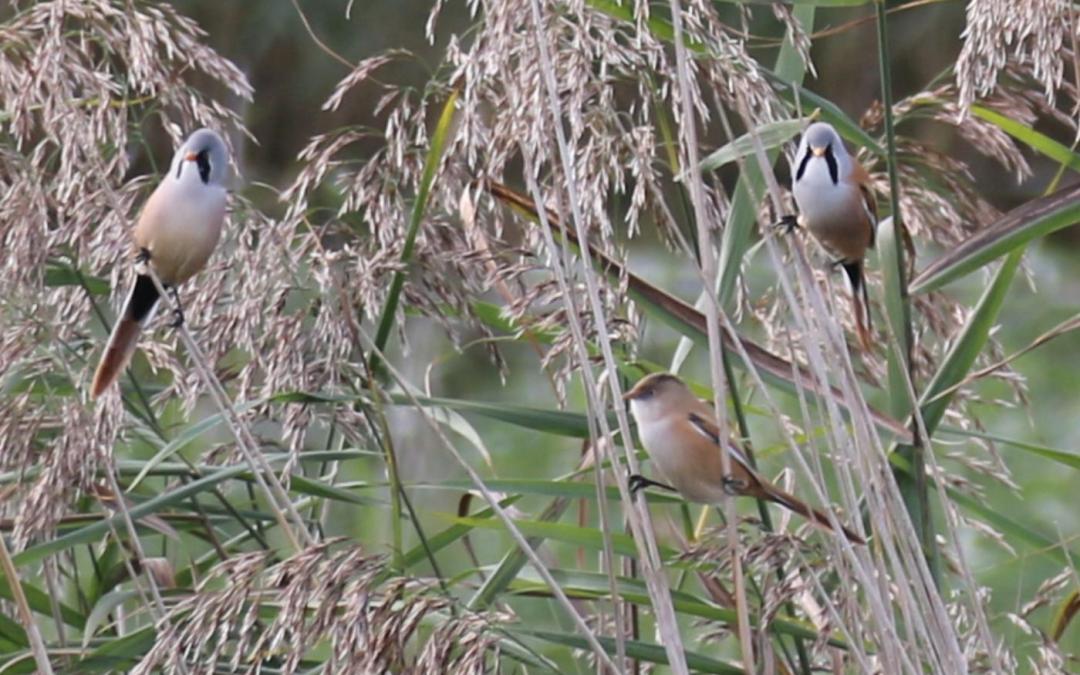
En route to our rendezvous with Phil, the team enjoyed fantastic wildlife encounters. Notable sightings included an impressive variety of egrets including; Little Egret, Cattle Egret, and Great White Egret. We were delighted by several warbler species and a remarkably high count of Bearded Tits. Phil mentioned that Natural England is currently undertaking dedicated population surveys for Bearded Tits across the site.
Days like these highlight the importance of bringing our ecological and geological specialists together outside the office, connecting research and technical advice with practical land management on the ground.
References & Further Reading
- Learn more about the wider wetland network on the Avalon Marshes Partnership
- Read about Somerset’s National Nature Reserves on Gov.uk
- Find out more about Natural England’s restoration projects: Shapwick Heath Peat Restoration Blog
- Explore our environmental services at Geckoella
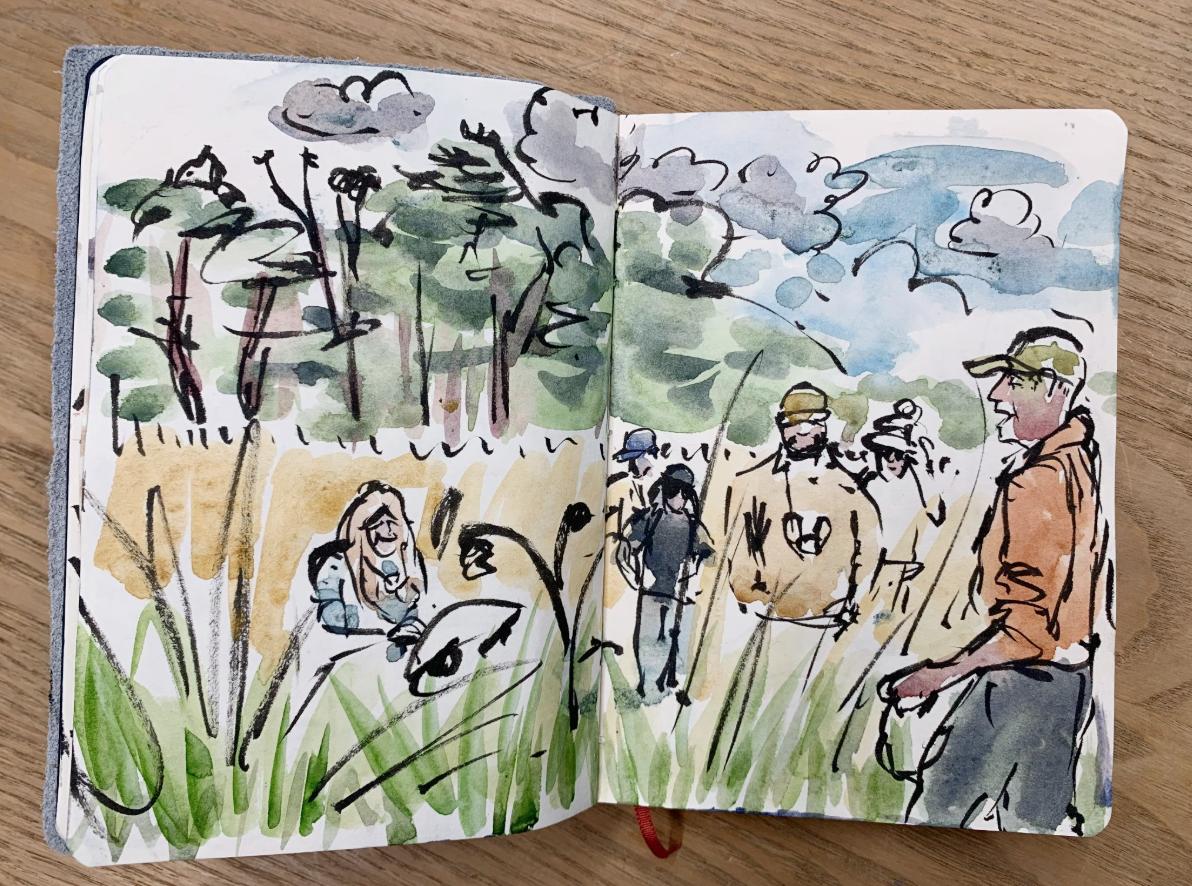
En Plein Air sketch of the day by Alison Jacobs
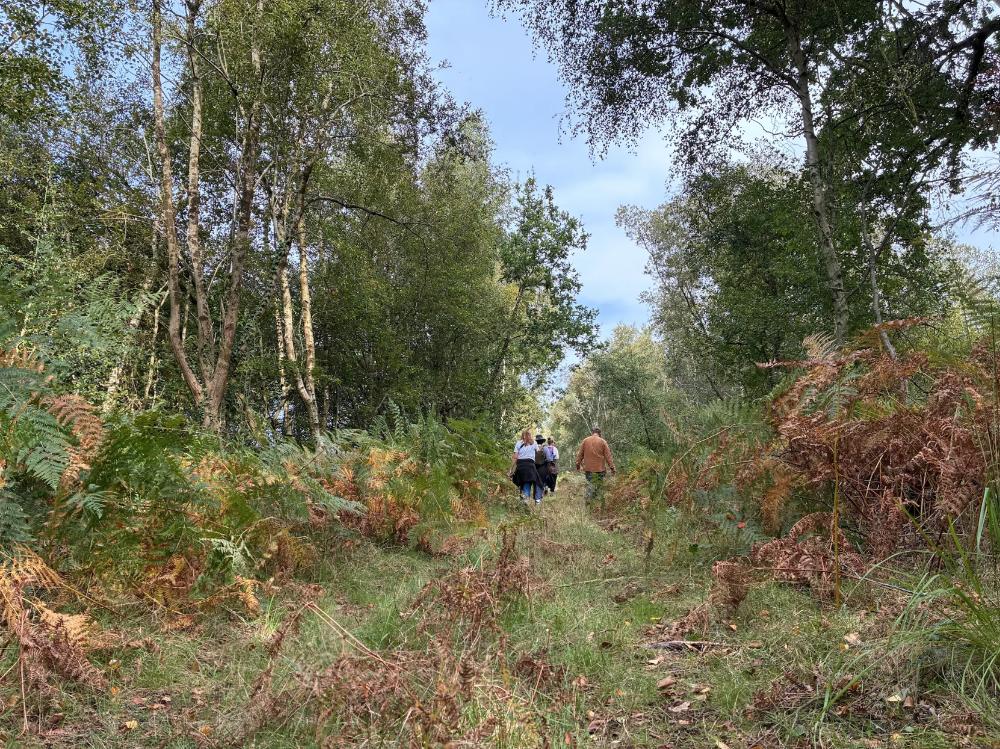
The Team walking out into the marsh