
Steep Holm, a rocky island rising out of the fast-moving tides of the Bristol Channel, offers a unique combination of challenges and ecological value. As one of only two small islands in the area, it serves as a vital roosting and nesting site for seabirds – including the Lesser Black-backed Gull Larus fuscus.
Geckoella has recently been working on this remarkable site as part of the Lesser Black-backed Gull Compensation Project, led by Morecambe Offshore Windfarm Ltd. The project aims to better understand and support the habitats crucial to this declining seabird species.
Innovative Surveying in a Remote and Rugged Environment
Due to the island’s isolation and the extreme tidal currents of the Bristol Channel, traditional survey methods are not always practical or safe. This made Steep Holm an ideal candidate for Geckoella’s specialised drone technology and remote sensing expertise.
Using high-resolution aerial imagery, we conducted a baseline vegetation survey of the island. Advanced Object-Based Image Analysis (OBIA) and machine learning techniques were then employed to analyse the data, producing detailed, accurate habitat maps with minimal on-site disruption to the sensitive ecosystem.
Supporting Conservation with High-Quality Data
Our work has helped provide a clearer picture of the current vegetation structure and habitat types across the island, this is vital information for monitoring seabird nesting areas and planning long-term conservation measures.
“Thanks to all at Geckoella for producing some excellent habitat mapping for Morecambe Offshore Windfarm’s Lesser Black-backed Gull Compensation Project on Steep Holm. The results exceeded our expectations, staff at Geckoella were knowledgeable, experienced and easy to work with and we are hoping to use the company again for future work on the project.”
– Richard West, Morecambe Offshore Windfarm Ltd
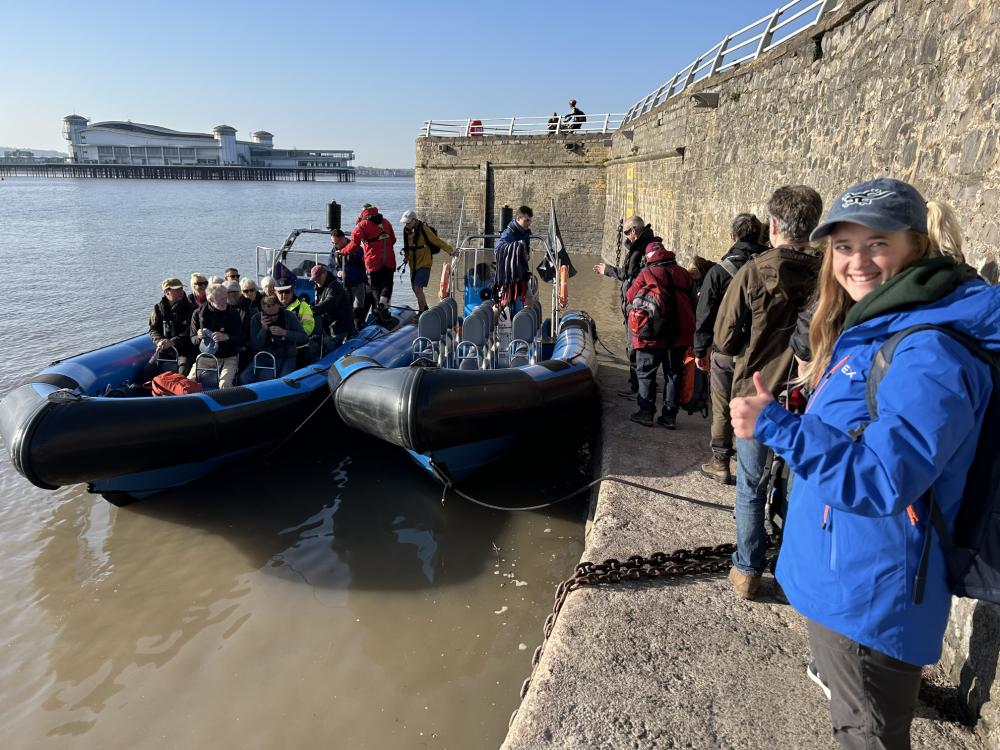
Assistant Ecologist Jasmine Cox eagerly waits to board the rib
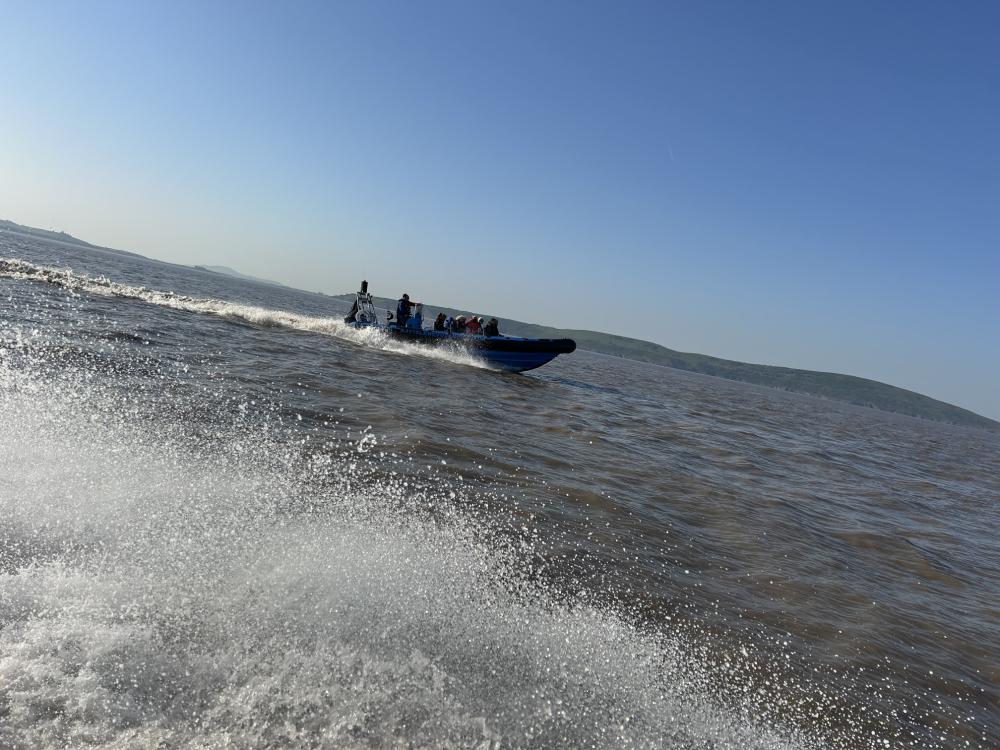
Exciting Rib Ride
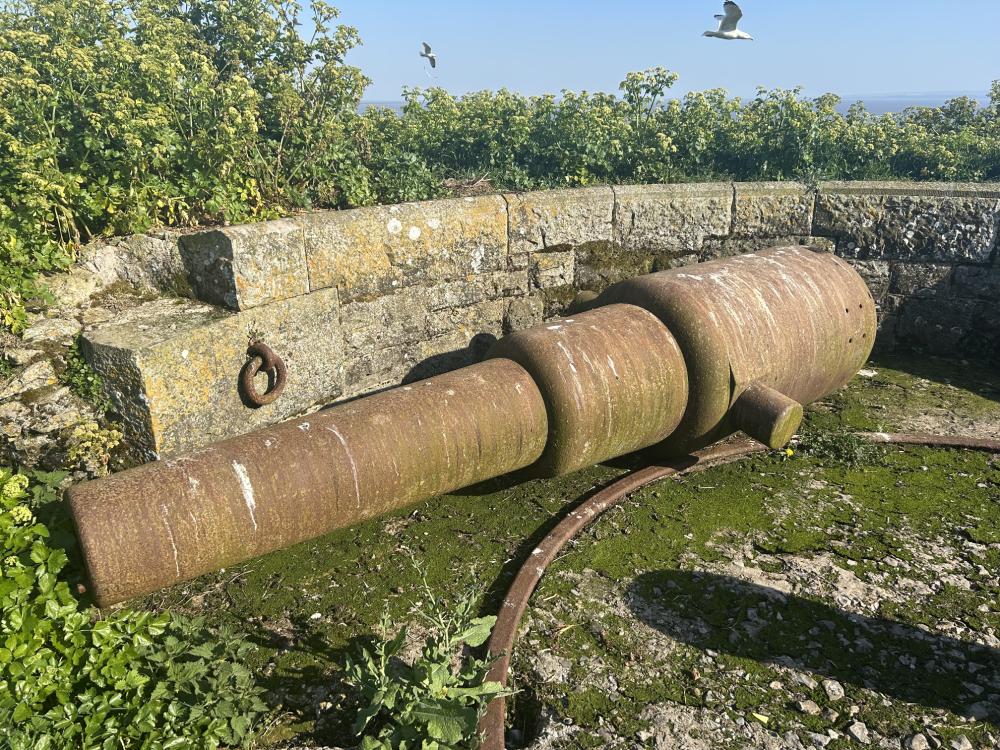
Big Gulls and Big Guns at Steep Holm
