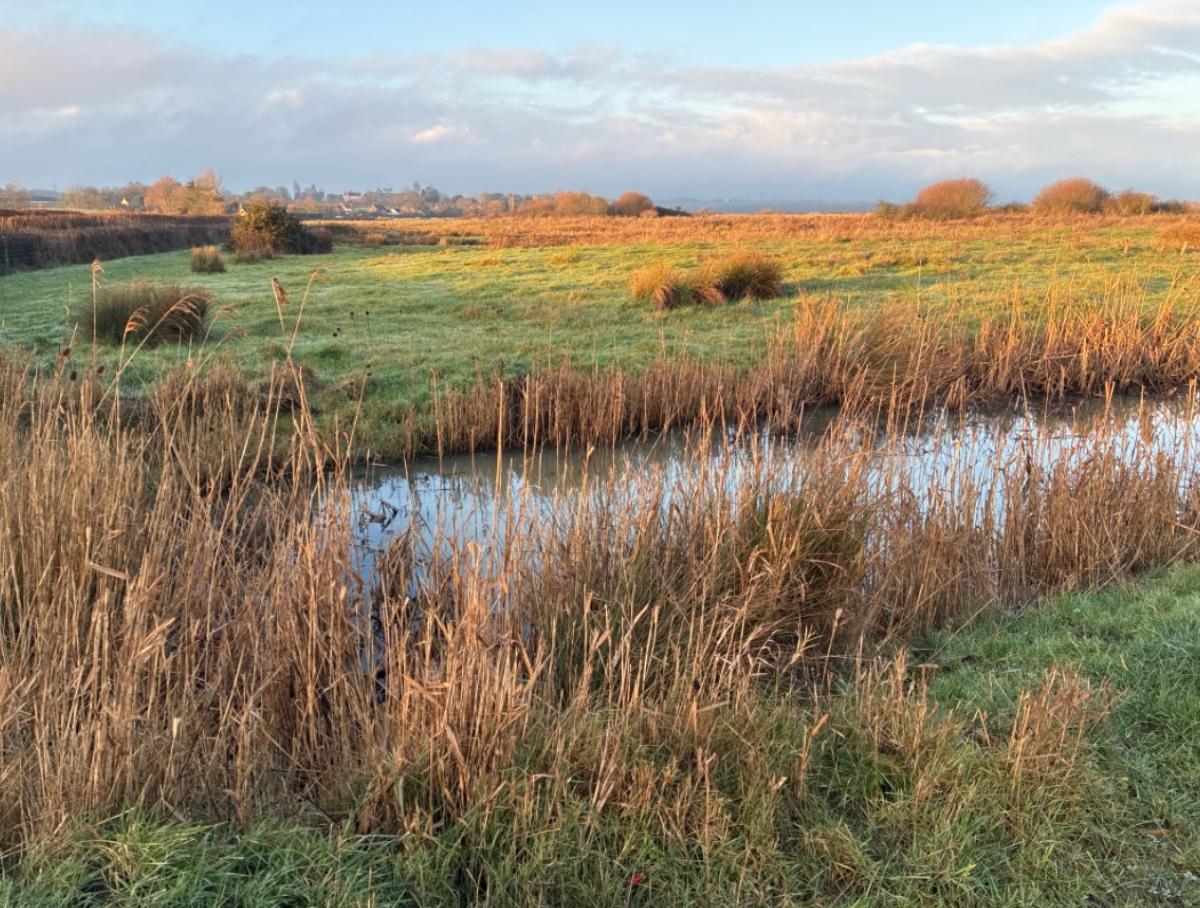
Soil Health and Plant Life: Habitat Restoration and the Future of Steart Marshes
Geckoella has proudly worked with WWT Steart Marshes for over a decade, providing data analysis and ecological expertise that have contributed to important on-site restoration decisions. The marshes form part of the Somerset Wetlands National Nature Reserve (NNR) complex [and also includes areas of Special Protection Areas (SPA), Special Areas of Conservation (SAC), Site of Special Scientific Interest (SSSI) and Ramsar designations].
Early this year (in January and February 2026) our Ecologists ventured out into the marshes to carry out a series of surveys. The goal is to understand the conditions of the soil and their suitability to support species rich grassland habitat. Healthy soil is essential for plant growth and habitat to living organisms (micro and macro), containing organic matter and minerals, soil is vital to life on Earth.
Soil samples were collected across the site using corers to get a representative profile of the topsoil. Once back in the workshop, our Ecologists conducted sedimentological composition and textural analysis to determine the soil type, and sent the samples for chemical analysis.
Geckoella found that soils at Steart Marshes are mainly silty clays and silty clay loams likely due to the superficial geology. They also show a diverse range of mineral content and organic matter. These results tell the story of the land and its historical practices (no longer active) imprinted in the soil and reveal important aspects for its future management.
For example, variations in pH levels can be attributed to the use of ammonium-based fertilisers or intensive grazing activity leading to acidification. Soils with high content in organic matter can counteract pH levels and be more resistant over time. On the other hand, nutrients such as phosphorus are considered primordial to soil health and grass growth as well as inorganic forms of nitrogen (i.e. ammonium and nitrate) which in high concentrations may indicate inputs of animal manure, inorganic fertilisers, decomposing organic matter, clay mineralogy among many others. These are key elements that can impact the soil health even long after these practices are gone.
Well informed soil management is central to the future of wetland conservation. Through soil health monitoring and collaboration with WWT, Geckoella’s scientific expertise continues to support efforts to maintain the delicate balance of the wetland and its recreation and restoration.
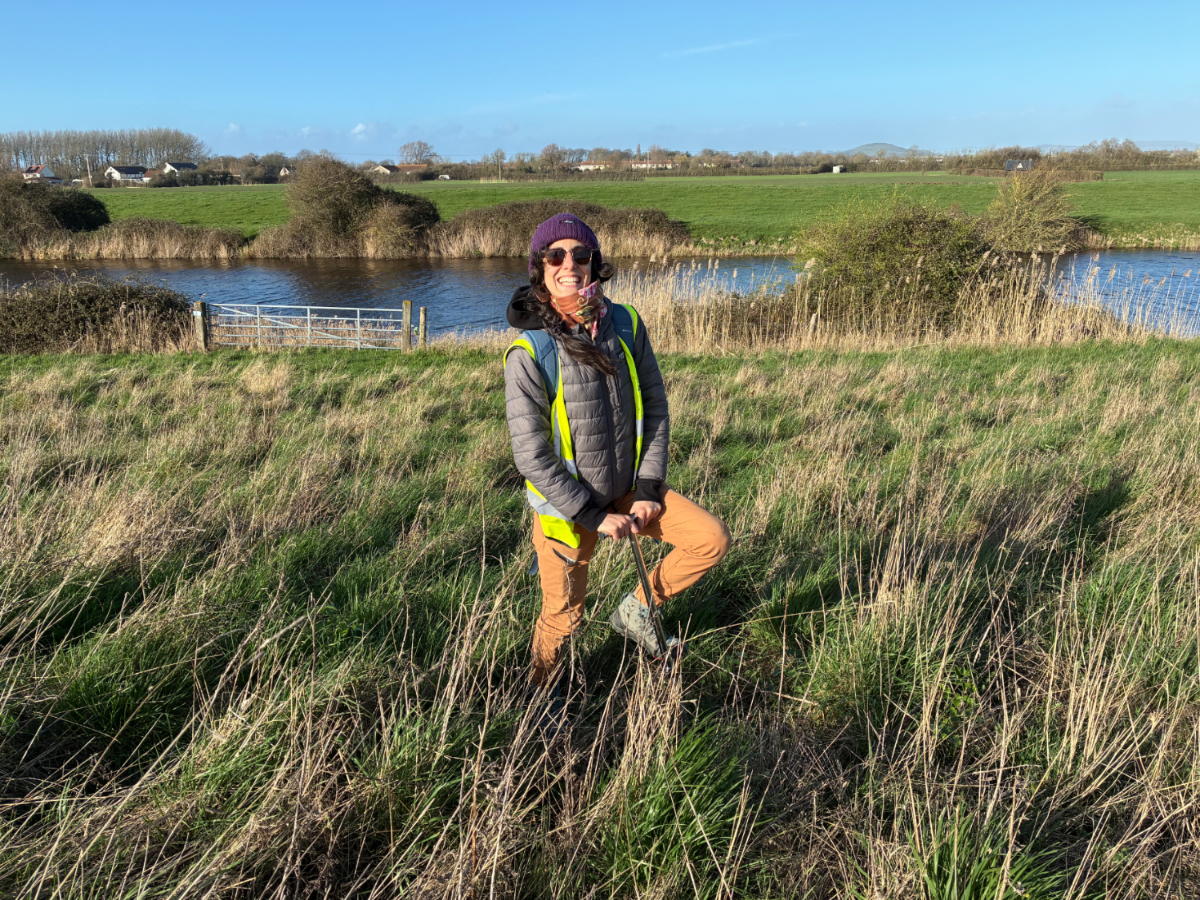
Ecologist Mireya Collecting Soil Samples
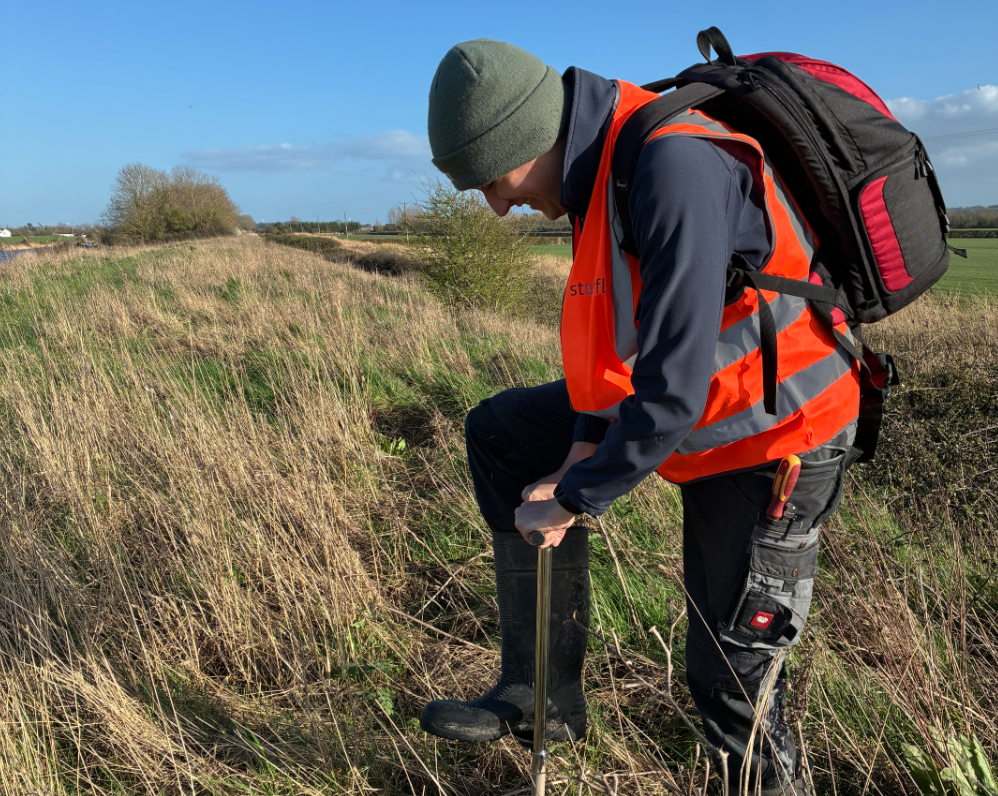
Surveyor Joe Collecting Samples
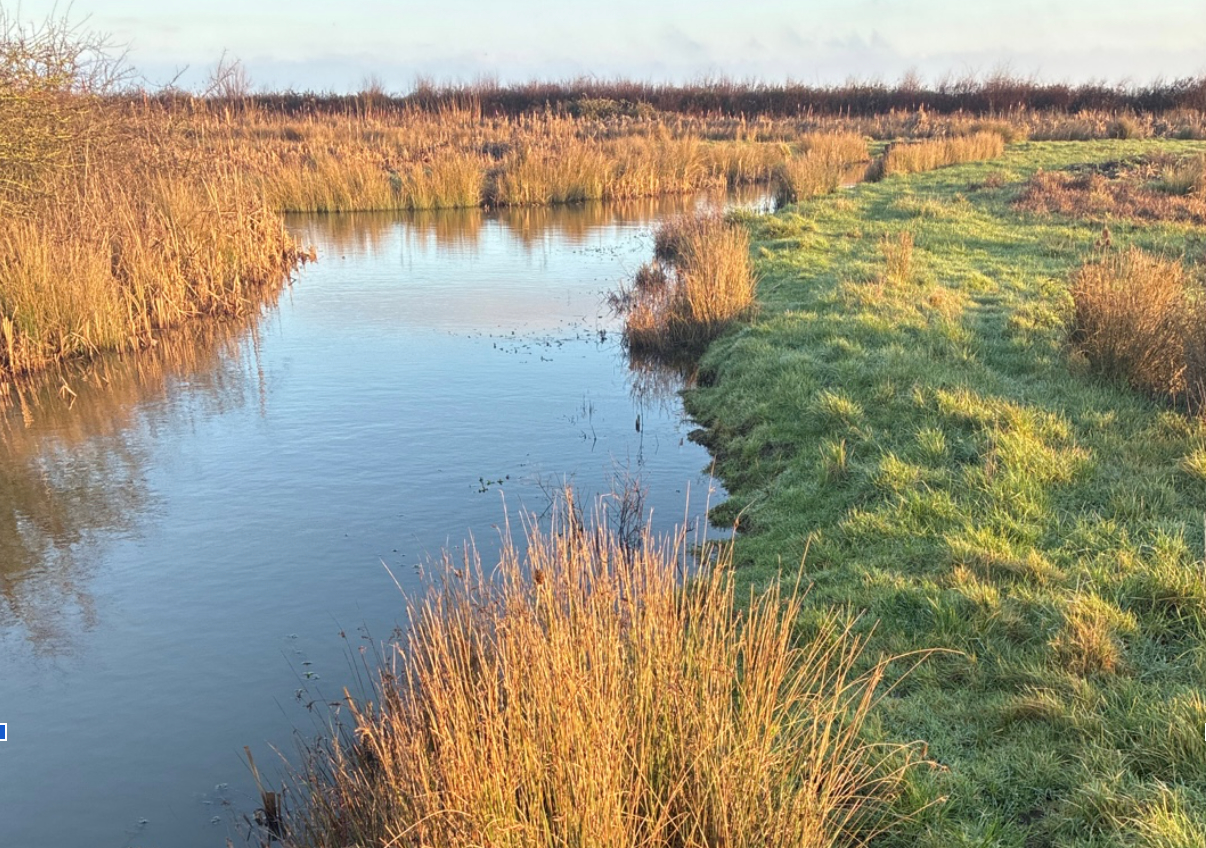
Ditches and Typical Habitat Created at Steart
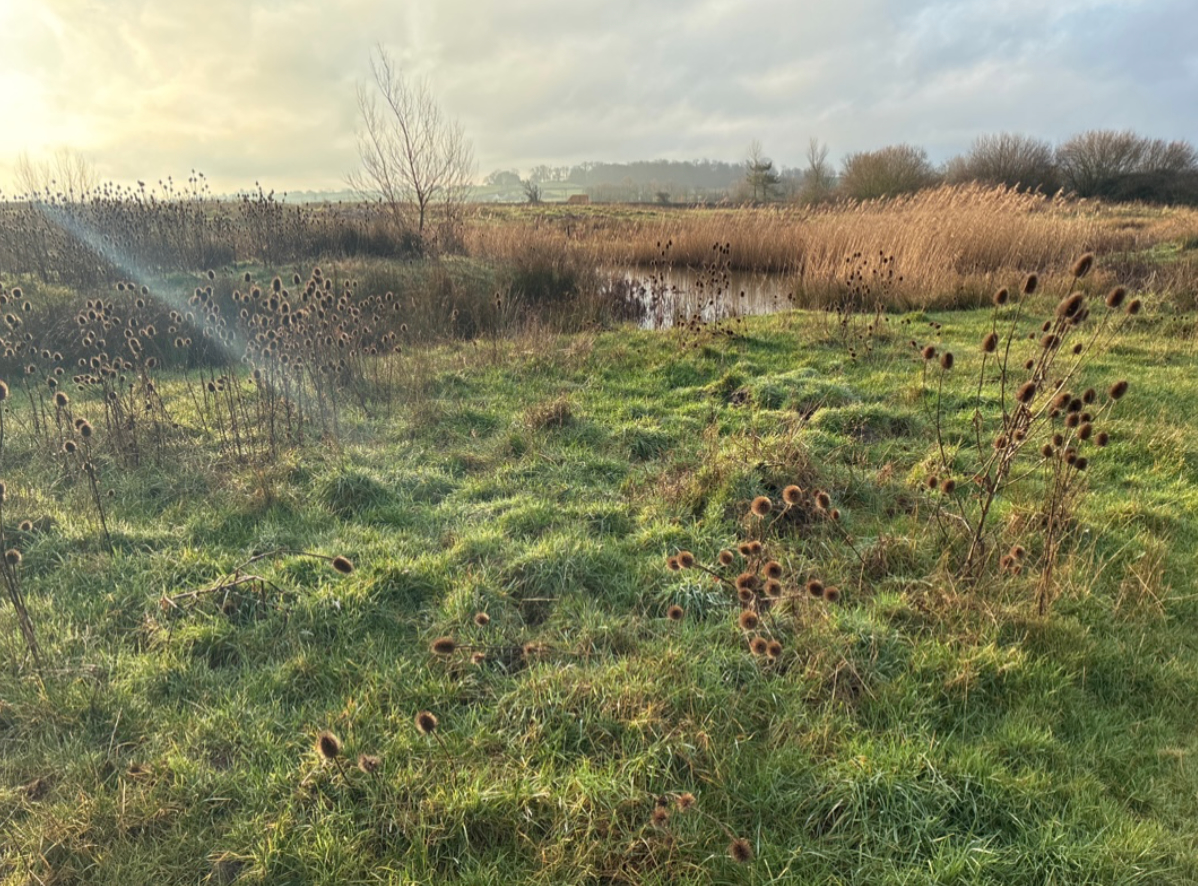
Habitat Providing Shelter and Food for a Variety of Species
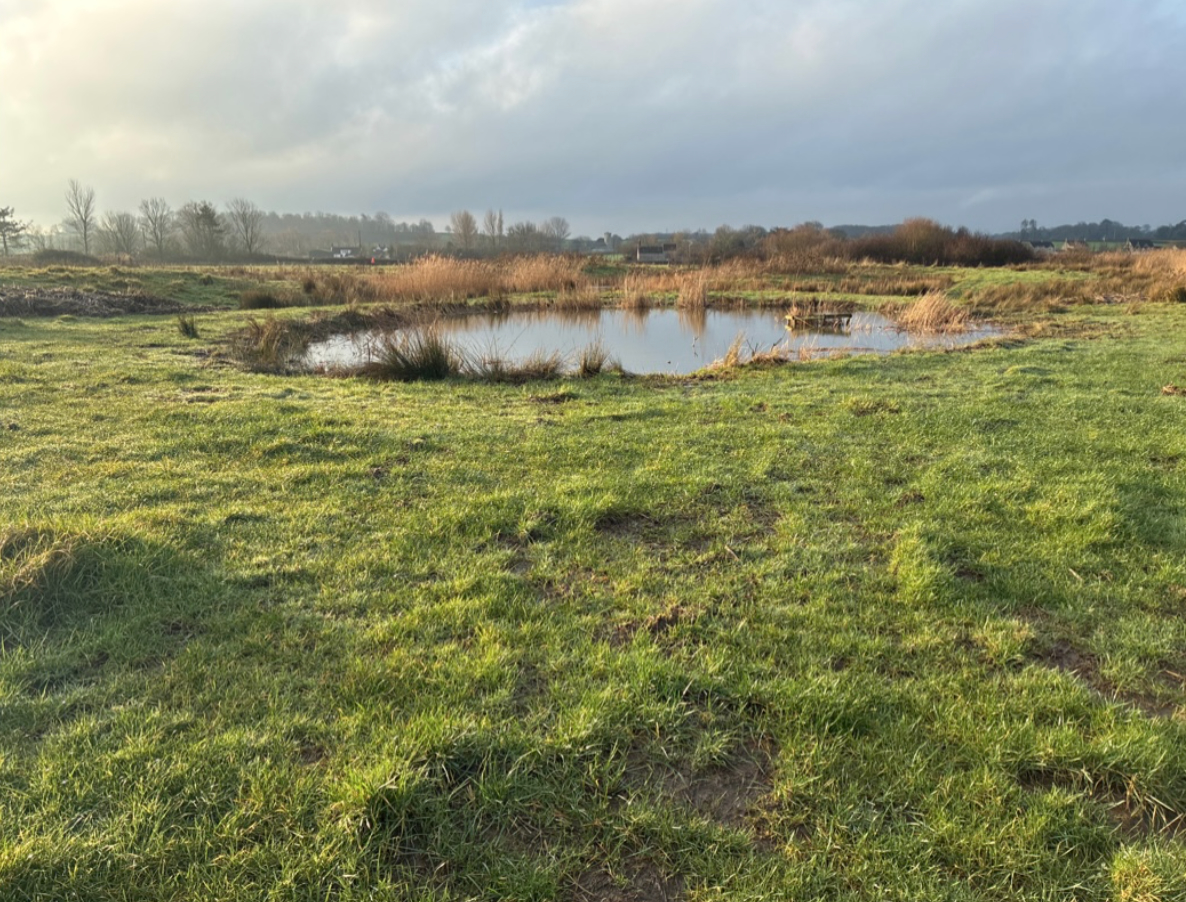
Scrapes and Ponds supporting Saltmarsh Life
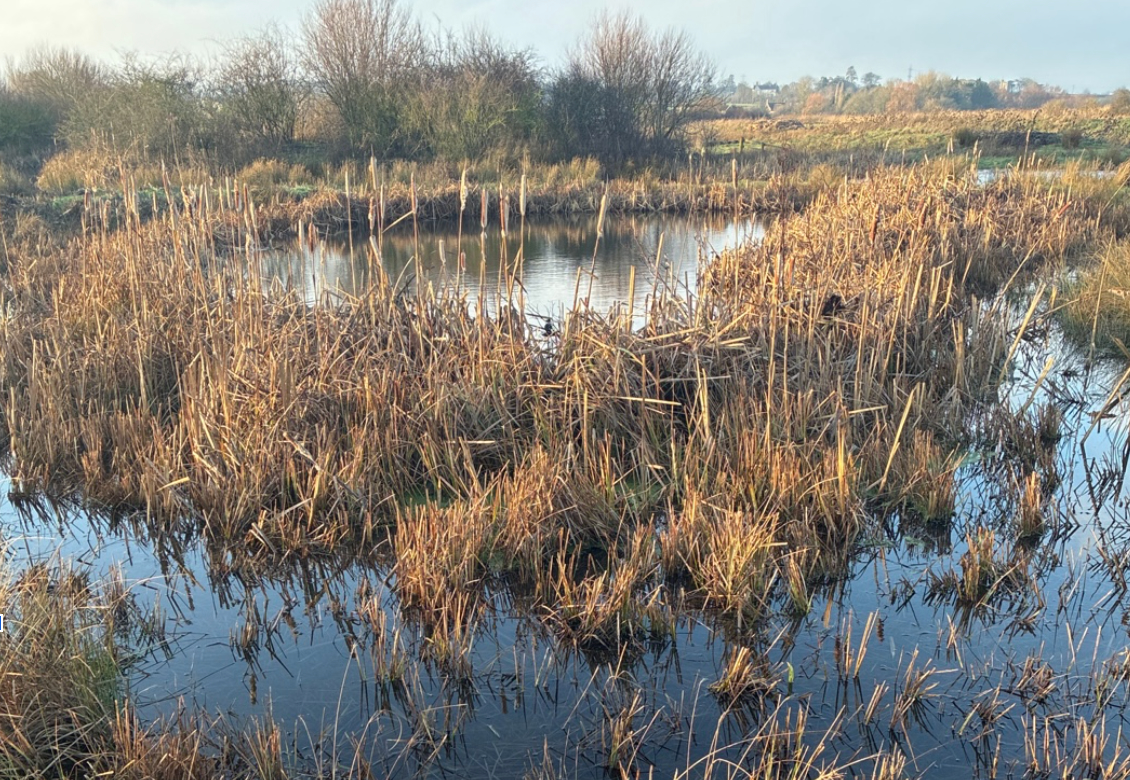
Temporary Ponds at Steart