Geckoella has extensive experience undertaking landscape-scale studies and surveys to inform Nature Recovery, including producing state of nature reports for the East Devon, South Devon, Blackdown Hills and Mendip Hills National Landscape areas, as well as a variety of surveys, analyses and reports for Clinton Devon Estates’ Heaths to Sea’ Project in the Otter Valley, Devon, the National Trust at Holnicote, Somerset, WWT at Steart, Somerset, and Brit Valley Wilding, Dorset. These projects are often catchment-focused and include natural flood management techniques such as leaky dams, Beaver reintroduction and ‘Stage Zero’ river restoration alongside complementary terrestrial habitat techniques. Our work has often included negotiating tradeoffs and sometimes technical legislative issues relating to protected and notable sites and species, as well as exploring synergy and any issues with wider natural capital topics such as heritage, landscape, flood and water quality management as well as practical aspects around long-term management viability.
Some examples of relevant projects (undertaken within the past 3 years) are provided below.
Working for Clinton Devon Estates on this large-scale landscape recovery project covering approximately 4,000 ha. Our work included UKHab mapping and BNG condition assessments, INNS surveys, and MoRPh surveys across land comprising the wider River Otter catchment in Devon. Read more at https://www.geckoella.co.uk/project/nature-recovery-and-morph-survey-in-east-devon/
2. Reviving Exmoor’s Heathlands, Devon and Somerset – Exmoor National Park Authority
2024-ongoing
Part of a team undertaking baseline surveys for a landscape recovery project across agricultural land on Exmoor, including heathland, grassland, and wetlands. Surveys include UKHab mapping, BNG condition assessments, INNS surveys, and indicator species surveys. The survey area comprises approximately 350 ha within a wider 12,000 ha project area
2018-ongoing
Delivery of a series of ecological surveys at this nationally significant coastal realignment site (approximately 500 ha). Work undertaken in 2024 included site-wide habitat mapping and condition assessment to identify changes over time following habitat interventions (for more information go to). High-resolution drone imagery was used to improve the accuracy of habitat boundaries, alongside botanical and invertebrate assemblages assessments of ponds and ditches.
4. Holnicote Estate, Somerset – National Trust
2023-ongoing
Delivery of multiple projects across the 5,000 ha Holnicote Estate, including:
- Bossington and Ley Hill – baseline adapted UKHab habitat surveys combined with high-resolution drone aerial photography to inform estate management and nature recovery.
- Dunkery Beacon – heathland and mire NVC botanical surveys across approximately 1,500 ha of land around Dunkery Beacon.
5. State of Nature reports for National Landscapes across South West England
2021-ongoing
Nature Recovery – State of Nature Reports and Story Maps. Desk-based assessment and statistical analysis of the State of Nature for National Landscapes in South West England. Includes East Devon, South Devon, Mendips and Blackdowns National Landscapes. Included the collation of open access datasets as well as working with multiple Local Environmental Record Centres to acquire data.
6. Moors at Arne Coastal Change Project – Atkins Réalis (for the Environment Agency)
2021-2022
Invertebrate surveys for a proposed coastal change project on the Moors at Arne covering approximately 150 ha (changing from freshwater to brackish habitats), including population surveys of Southern Damselfly Coenagrion mercuriale. Survey methods included pitfall trapping, sweep-netting, and tray sampling, alongside advice on mitigation for the transition from freshwater to brackish habitats.
7. West of England Combined Authority – West of England, Bristol and Bath
2023-ongoing
Community Pollinator fund for the West of England We helped councils and community groups to evaluate their success in boosting wildlife in their local areas, and to develop plans for more wildlife-rich public spaces. Involved yearly botanical and invertebrate surveys across five sites in the Bristol and Bath area. Surveys identify and categorise species abundances to measure change over time based on habitat interventions, alongside engagement with local communities to maximise access to nature-based benefits.
Baseline surveys and Habitat Management and Monitoring Plans (HMMPs) to support the addition of sites to Natural England’s Biodiversity Gain Site Register. Work included Level 4 UKHab surveys and BNG condition assessments across four land parcels totalling 34 ha in and around Bath. Sites varied in size and included public parks, Public Rights of Way and golf courses.Some were designated as a LWS and/or otherwise were of or adjacent to habitats of importance for biodiversity/wildlife. Options for biodiversity gain were modelled as part of the HMMP production, taking into account other values such as heritage, landscape and public access.
8. Wylye Valley – Wiltshire Wildlife Trust
2025
Landscape Recovery Project in the Wylye Valley covering approximately 600 ha. Baseline habitat surveys and nature recovery advice to support chalk river system restoration, alongside natural capital enhancements focused on water quality and regenerative agriculture.
Geckoella have been great to work with throughout our project; they have used clear communication, have adapted well to the changing demands of the project, and produced high quality outputs, including mapping. 2025. Project: Wyle Valley landscape records Becky Gee, Project Manager – Landscape Recovery, Wiltshire Wildlife Trust 2025
9. Neroche Wild Area, Somerset – Forestry England
2024-ongoing
On behalf of Forestry England Geckoella has been working on baseline surveys and the establishment of long-term monitoring plots of forestry, broadleaved woodland, wetland, and grassland habitats. Work includes analysis, reporting, and detailed advice on long-term ecological monitoring approaches.
This exciting long-term project that aims to restore natural processes to woodland and grassland habitats for one of the most valuable landscapes in south-west England. Work includes surveys, analysis and advice including on long-term ecological management and monitoring across approximately 727 ha of the area.
10. Ashcott Plot Peat Rewetting – Somerset Levels
2024-2025
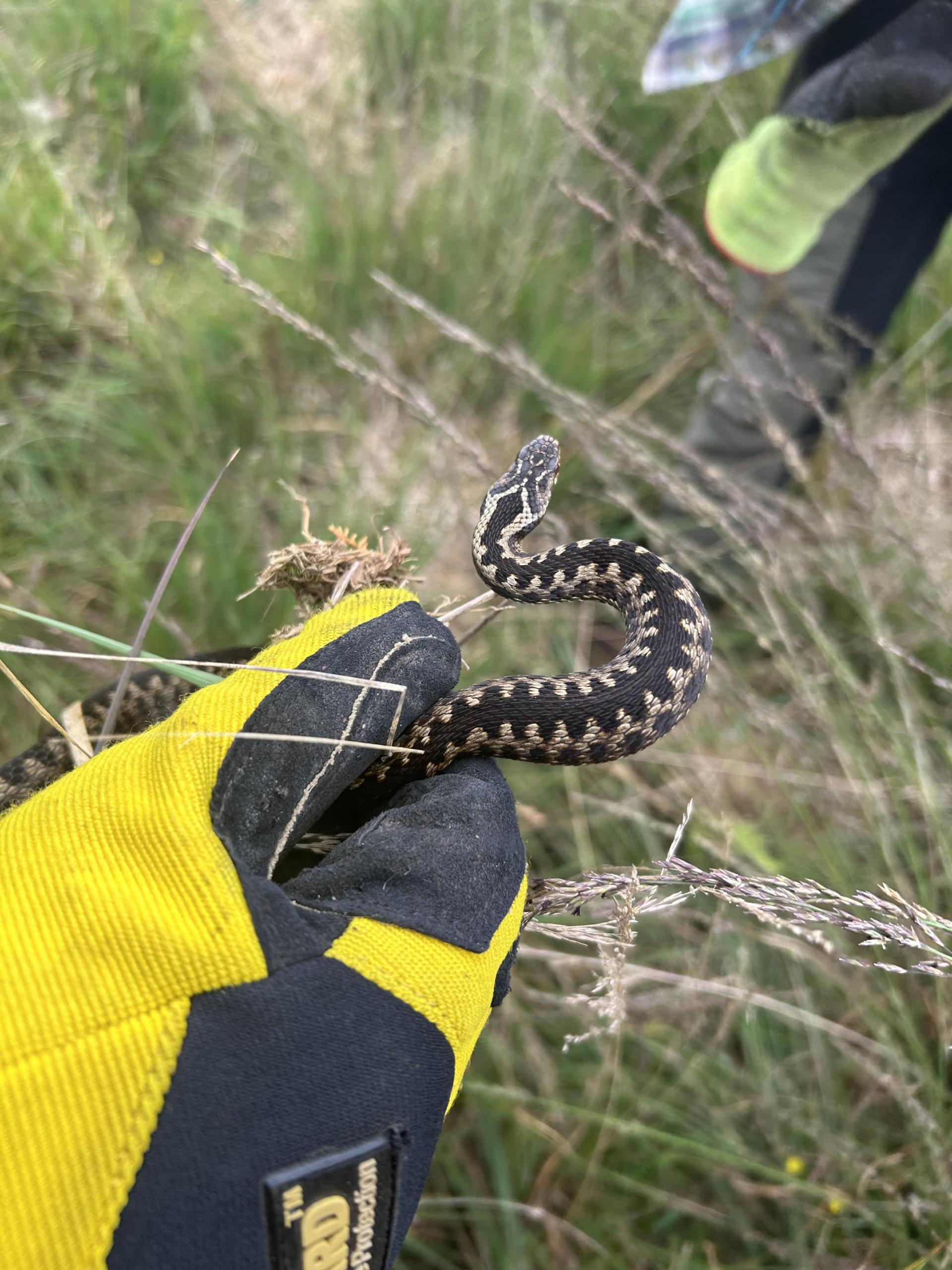
Ashcott Plot Peat Rewetting within the Somerset Wetlands NNR. Landscape restoration can include nuanced work to ensure that existing populations are not adversely impacted in the long term. Geckoella’s work included the provision of specialist ecological advice on mitigation measures for impacts on protected and Section 41 species arising from peat rewetting, with a particular focus on adders Natrix Viperus berus.
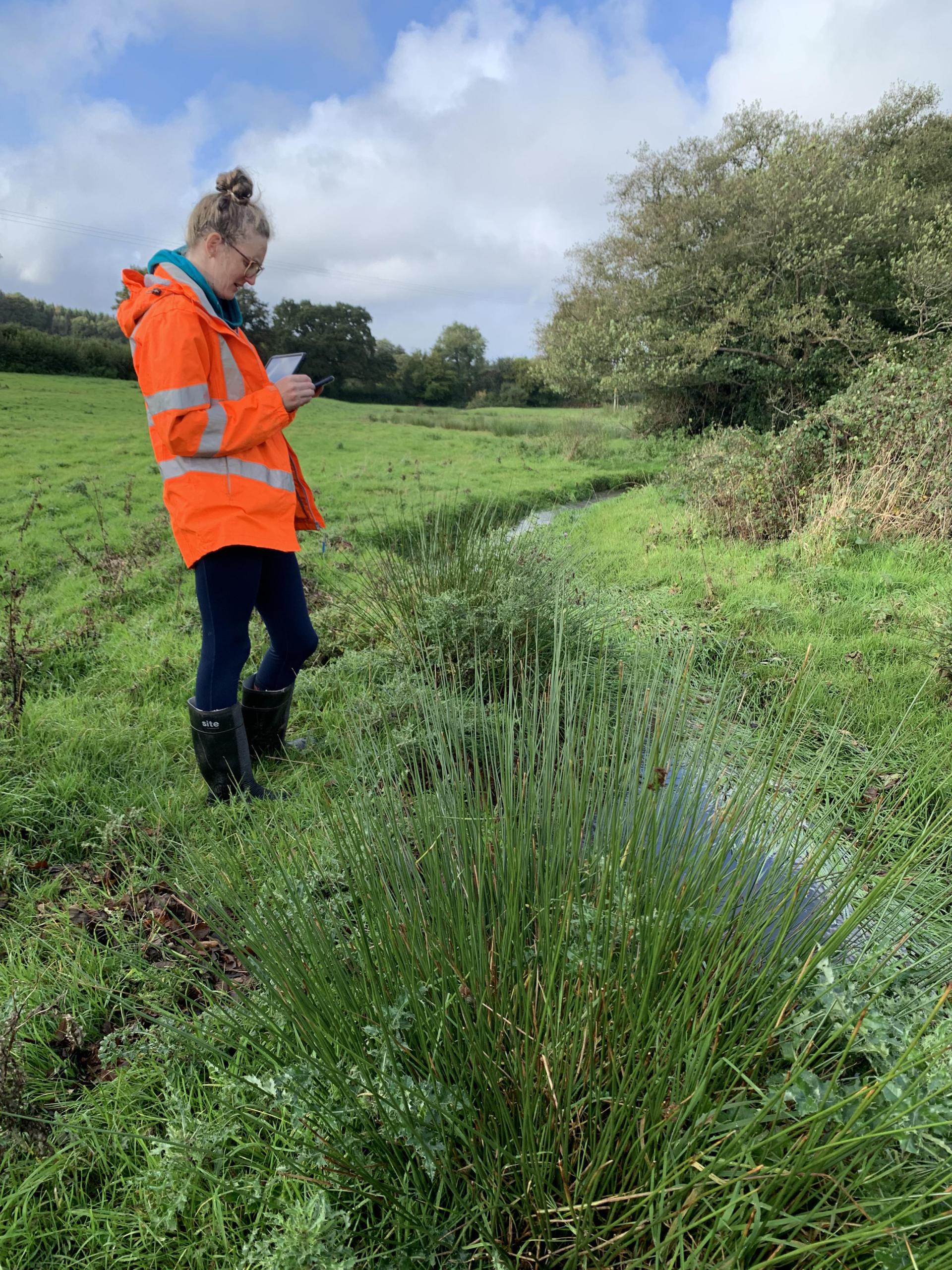
Vanessa Lloyd on MoRPh Survey
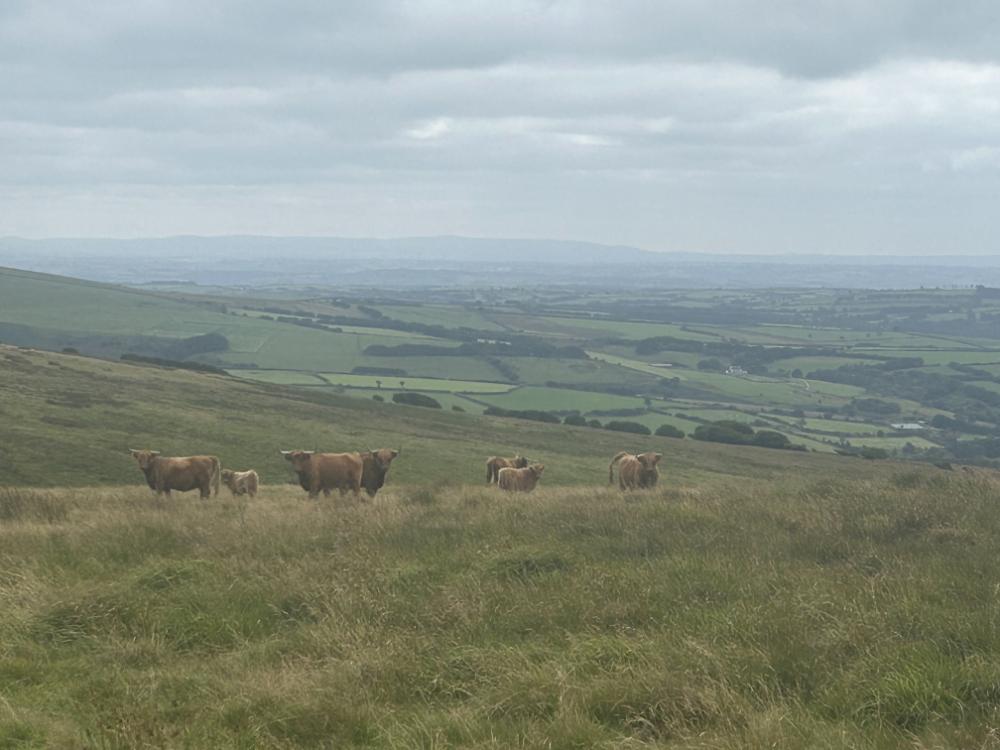
Exmoor ENPA by Sophie Pearce
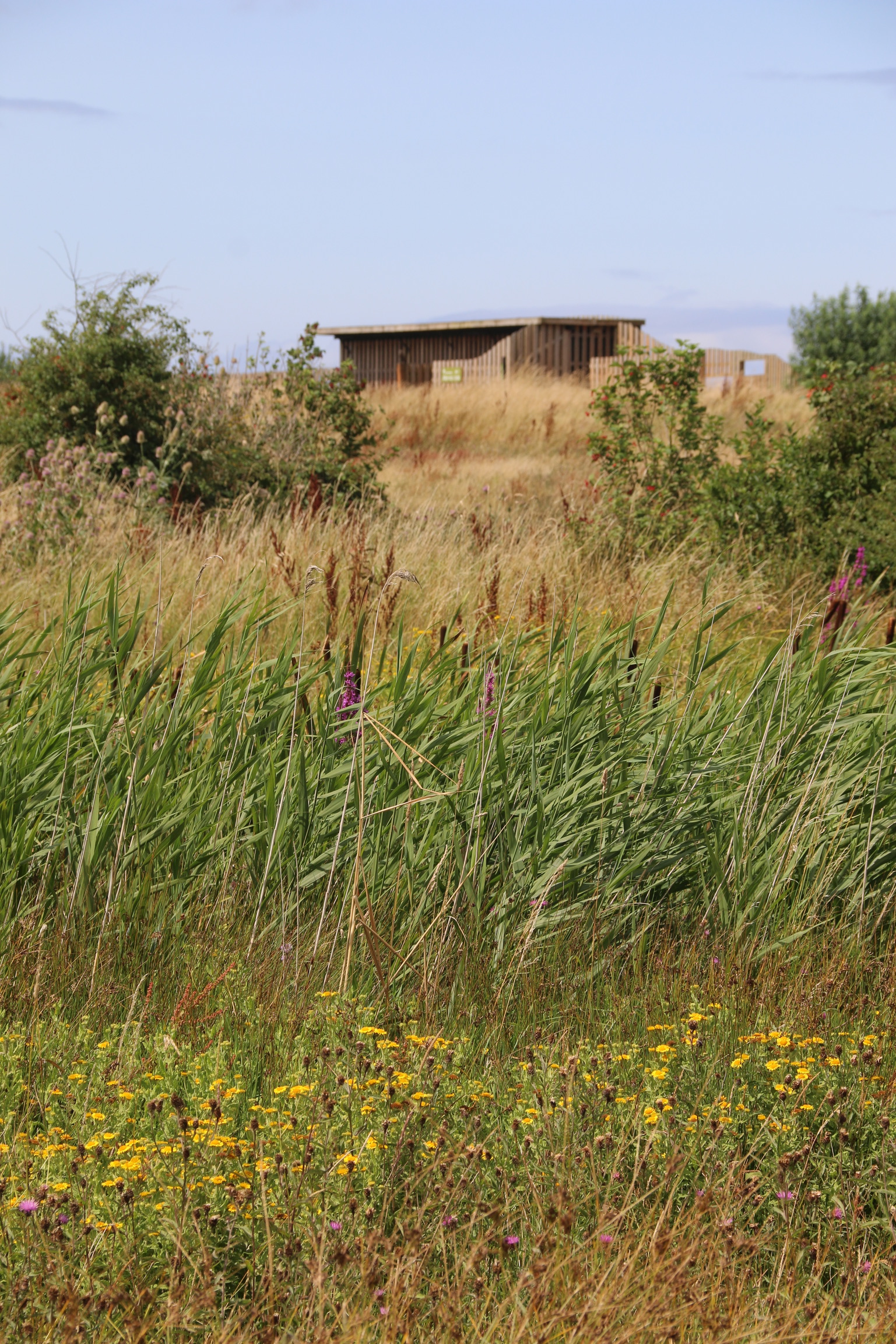
Mendip Hide across Steart Marshes by Alison Jacobs
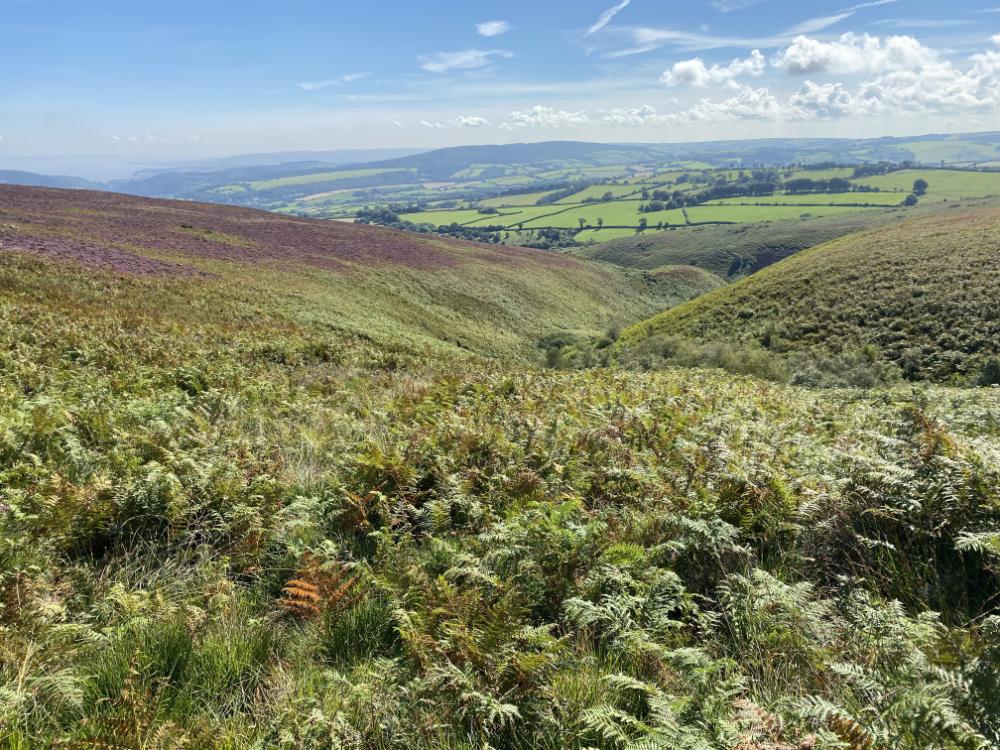
Holnicote by Joshua Butterworth
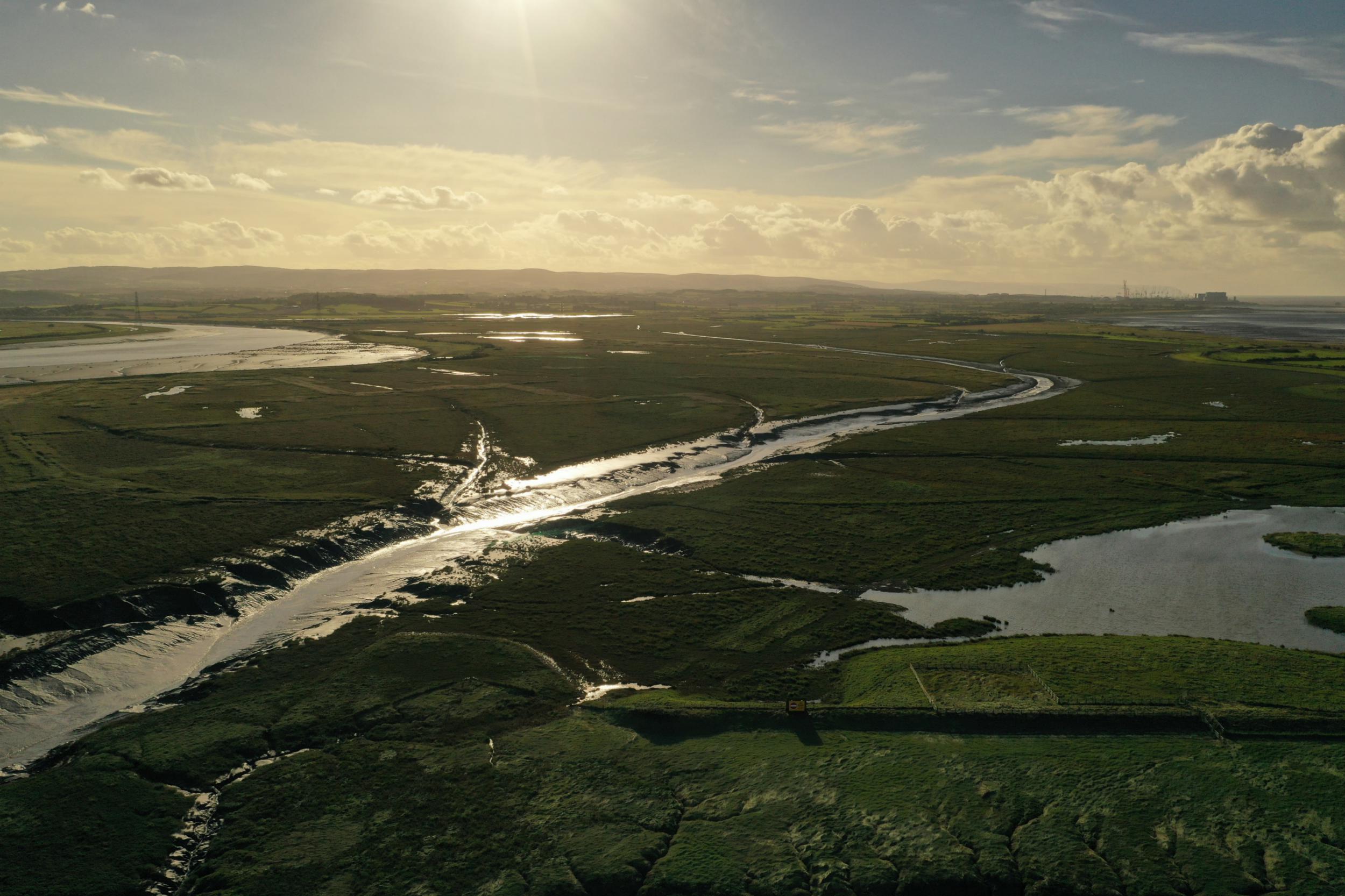
Bridgwater Bay
Geckoella Drone Image
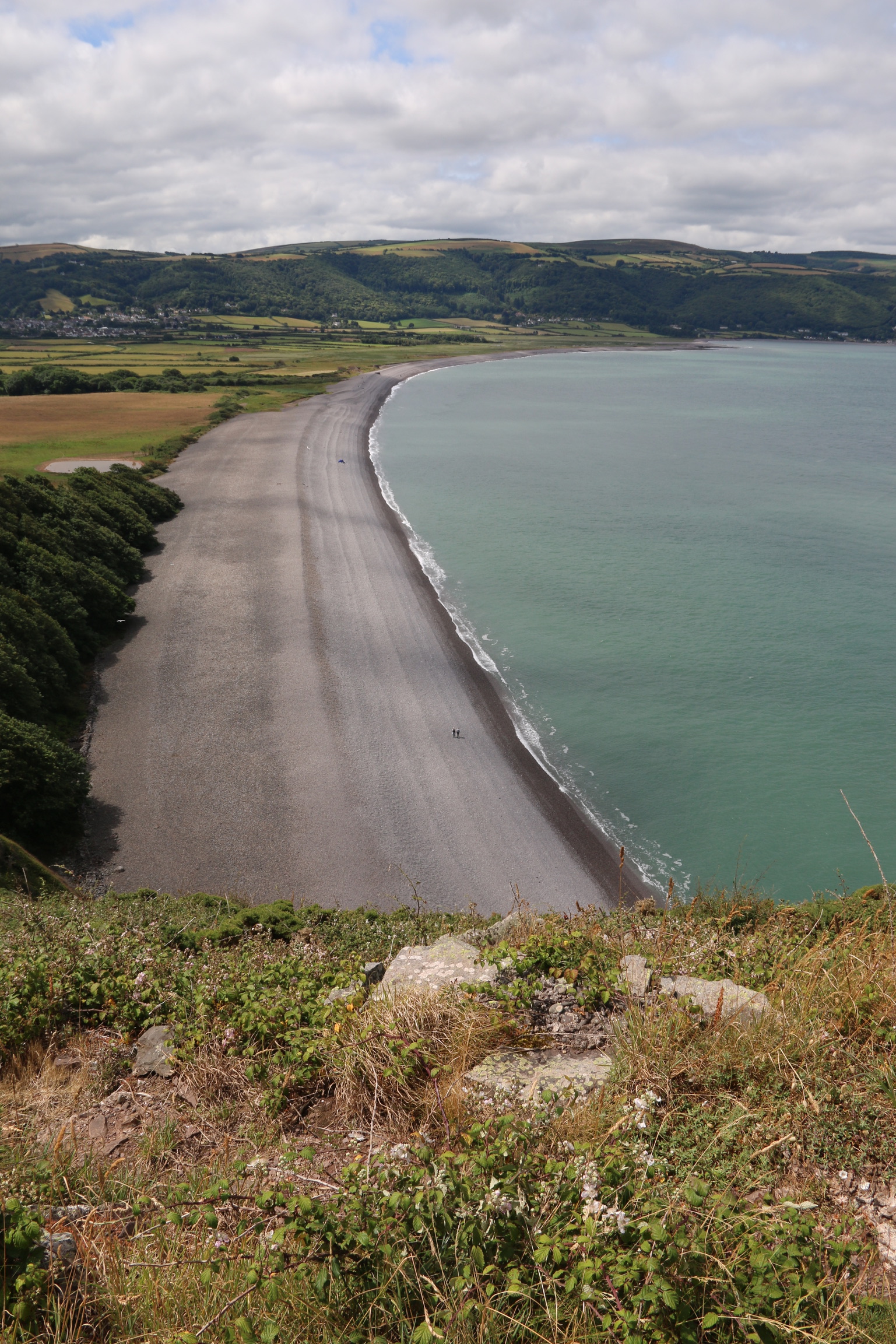
Bossington by Alison Jacobs
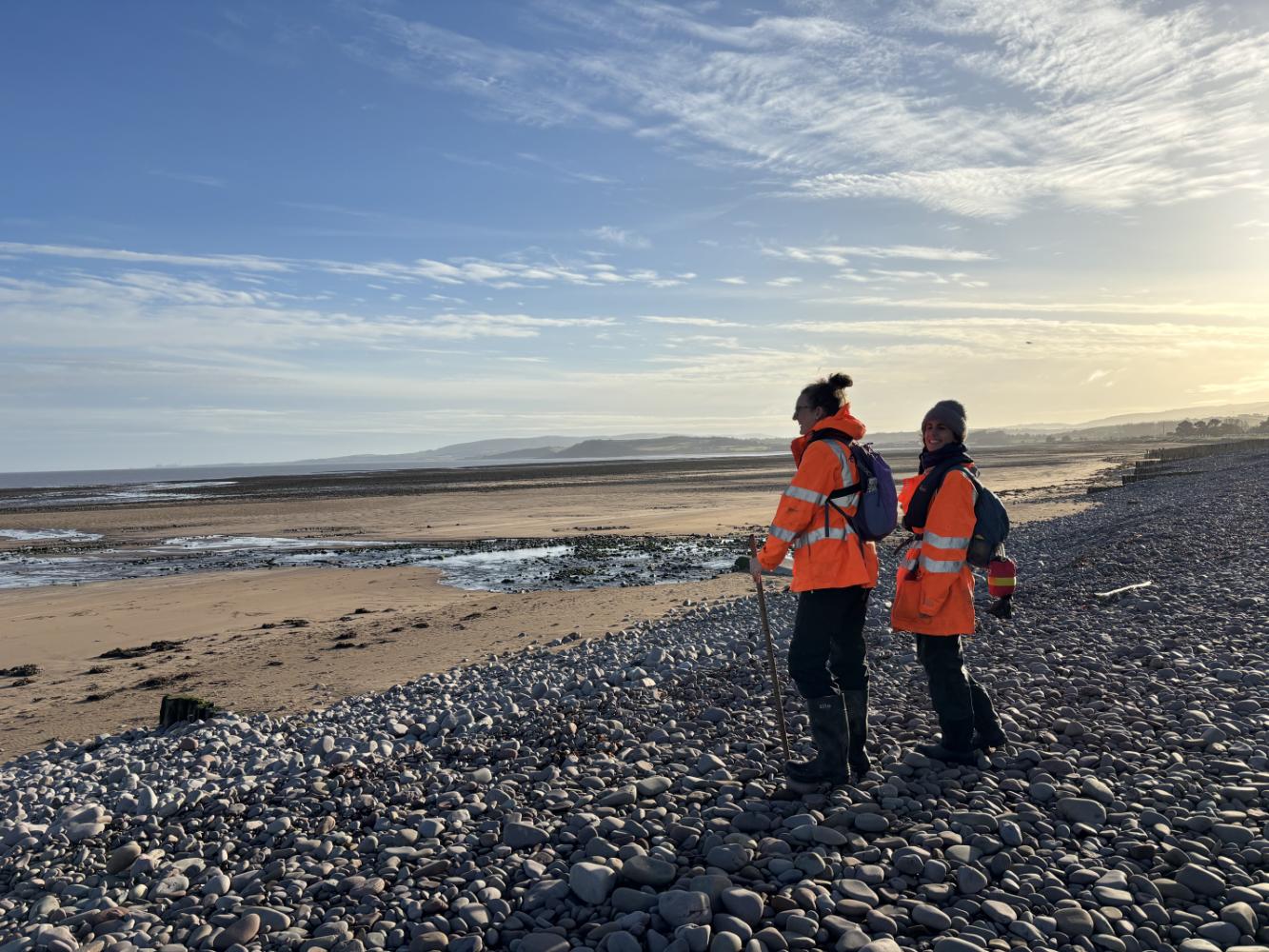
Mireya and Vanessa at Dunster
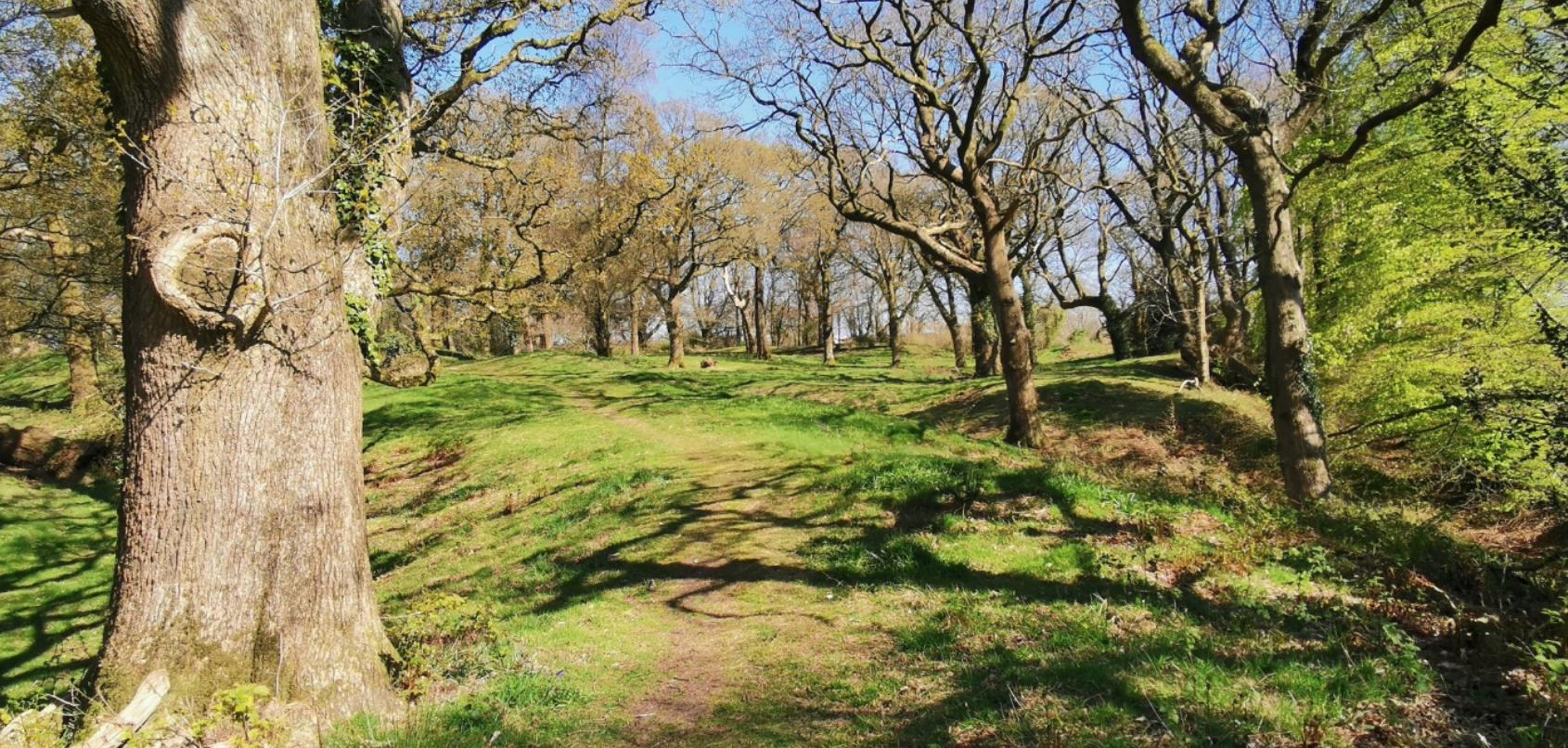
CastleNeroche
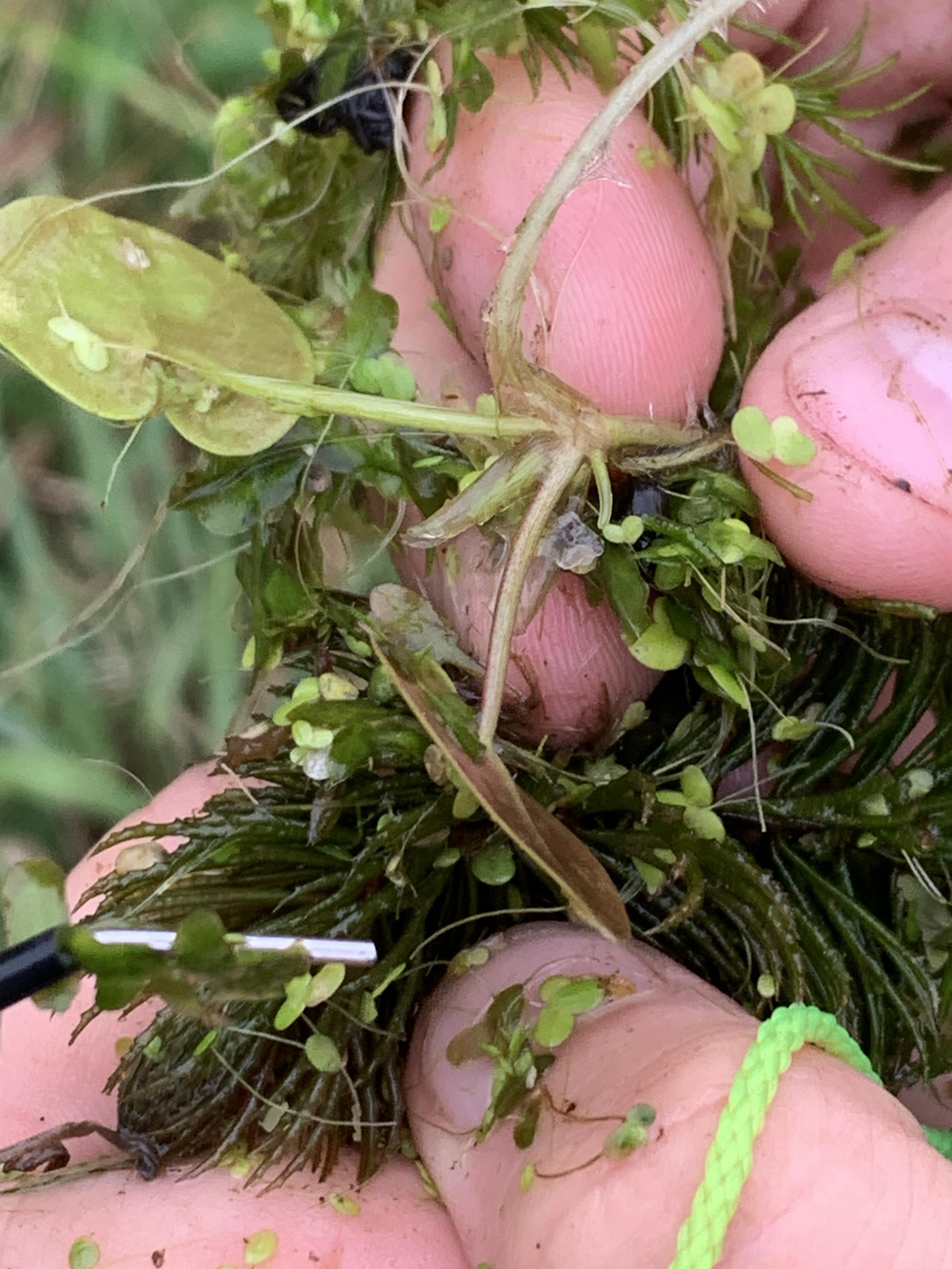
Ditch Survey Catcott by Alison Jacobs
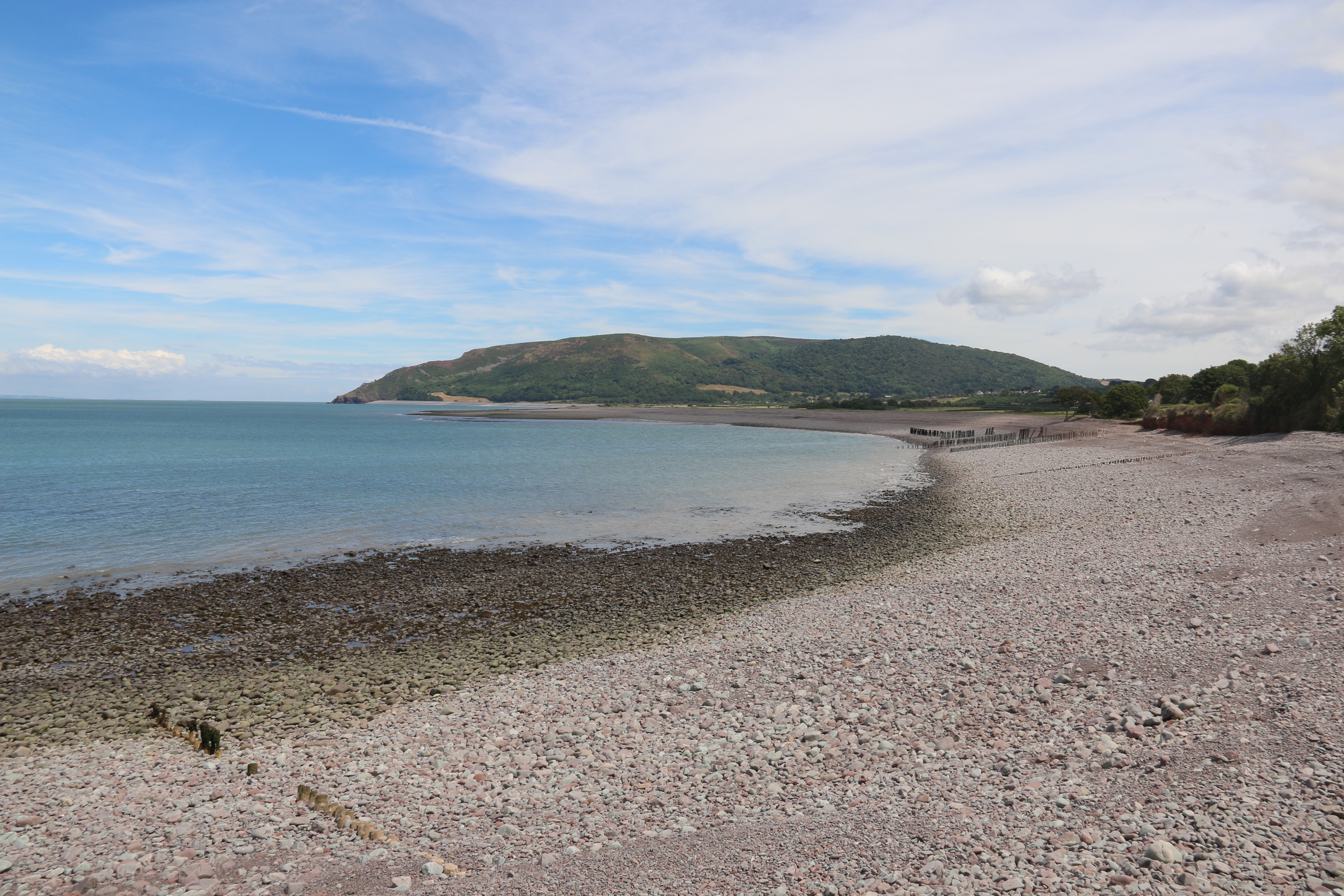
View to Hurlstone Point and Bossington by Alison Jacobs
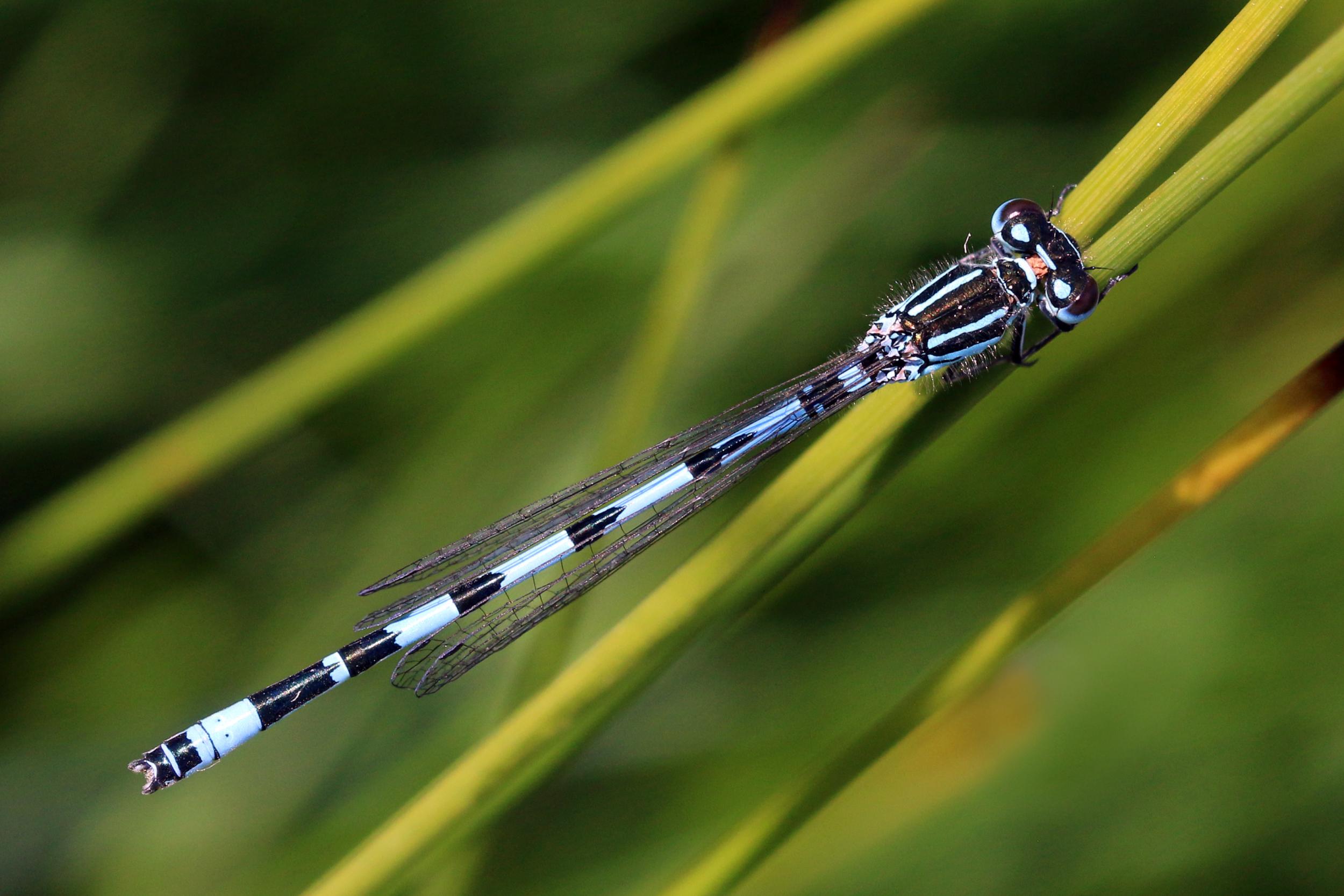
Male Southern Damselfly (Coenagrion mercuriale)